Womens Pakistan

Author name: ptpc786@gmail.com

Politices

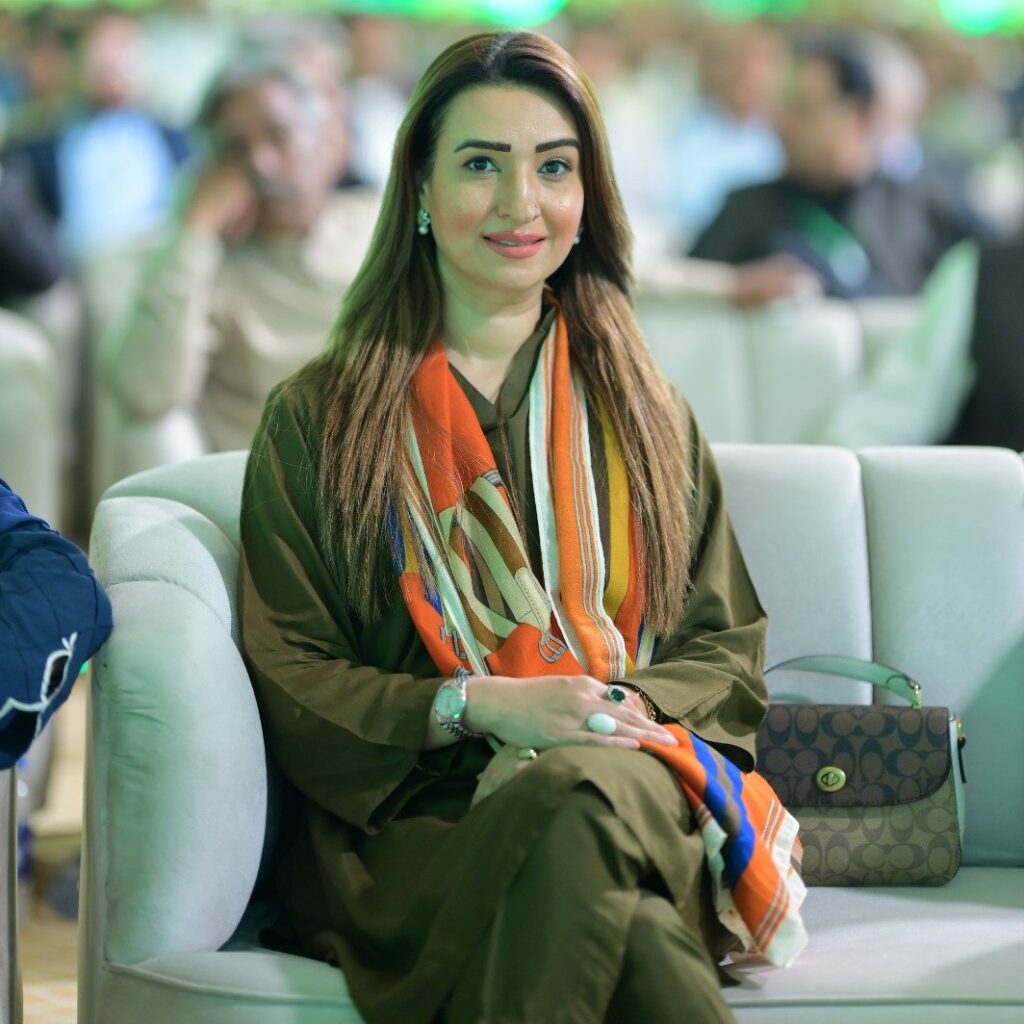
Bushra Anjum Butt (PML-N)

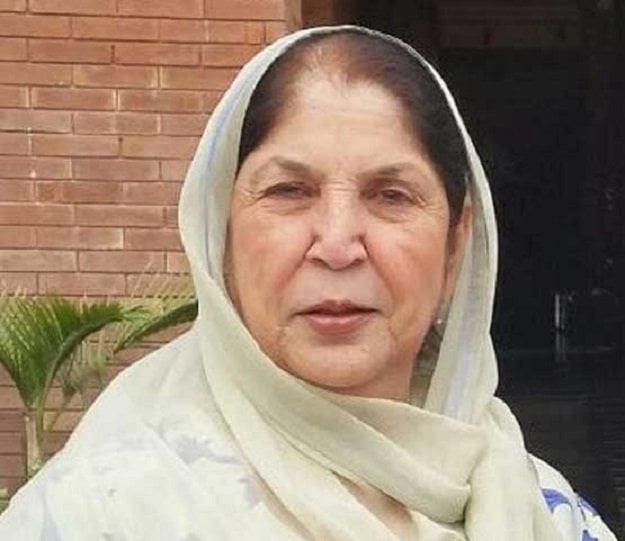
Bushra Anjum Butt (PML-N) Position: Senator of Pakistan (from Punjab) — term started 2024.Political Party: Pakistan Muslim League (Nawaz) (PML-N).Date of Birth: 17 July 1981Birthplace: Lahore, Punjab, Pakistan.Education & Career: Holds an M.A. in English from Kinnaird College for Women University, Lahore. Was a professor and teaching fellow before entering politics. Served as a Member of the Provincial Assembly of Punjab on a women’s reserved seat in 2013–2018 and again 2018–2023 before becoming Senator. Senate Roles & Focus: Elected Chairperson of the Senate Standing Committee on Federal Education & Professional Training. Actively raises issues related to education reforms, women’s empowerment, and curriculum development — including pushing for reproductive health education in schools. Has engaged with philanthropic organizations like the Sundas Foundation (supporting blood disorder patients). Notable: Known for emphasis on educational policy and social welfare.

Business Women

Ms. Adeela Hayee

Ms. Adeela Hayee Ms. Adeela Hayee is a senior marketing and communications professional based in Karachi, Pakistan. She currently serves as the Head of Marketing and Corporate Communication at Bank Makramah Limited (BML), a role she assumed in early 2025.  Professional BackgroundWith over 19 years of experience in marketing, communications, and digital transformation, she has a proven track record in the banking and energy sectors.  Bank Makramah Limited (BML): Currently leads marketing and corporate communications, focusing on brand positioning and Islamic banking visibility. Pakistan State Oil (PSO): Previously held a senior role where she launched DEO MAX, Pakistan’s first synthetic diesel engine oil, achieving significant digital reach and revenue growth. Expertise: Her core competencies include strategic marketing, brand building, media relations, and digital campaigns aimed at driving organizational growth and ROI.  Adeela Hayee is currently the Head of Marketing & Corporate Communications at Bank Makramah Limited (BML) in Karachi, Pakistan.  Educational BackgroundShe completed her higher education at the Institute of Business Management (IoBM/CBM) in Karachi:  Executive MBA (Marketing & HR): Graduated with a 3.65 CGPA (2018–2020). Master of Business Administration (MBA): 2018–2020. Bachelor of Business Administration (BBA) in Marketing: 2001–2005.  Achievements at Pakistan State Oil (PSO) During her nearly 10-year tenure at PSO, she held roles including Brand Manager for DEO & Agri:  DEO MAX Launch: Successfully launched Pakistan’s first fully synthetic CK-4 diesel engine oil, which generated over 35 million views and 116 million impressions on social media. Market Growth: Contributed to a 1% increase in market share and a 40% boost in revenue for the Diesel Engine Oil (DEO) and Agri range. Trade Marketing: Managed budgets of up to PKR 250 million, achieving a 35% increase in ROI through optimized performance analysis and trade promotions. B2B Engagement: Coordinated over 100 B2B and corporate events, reaching more than 150 major corporate clients to enhance brand awareness.  Recent Appearances & Recognition BML Transformation: She recently highlighted BML’s financial turnaround, reporting a profit before tax of PKR 1.75 billion for the first nine months of 2025. Clap Recognition: Featured by Clap Pakistan as a senior marketing leader for her impact on brand growth and digital transformation. Industry Spotlight: Recognized by platforms like ZYCK Heroes and Brand & Media Learning Hub (BMLH) upon her appointment at Bank Makramah.

Politices

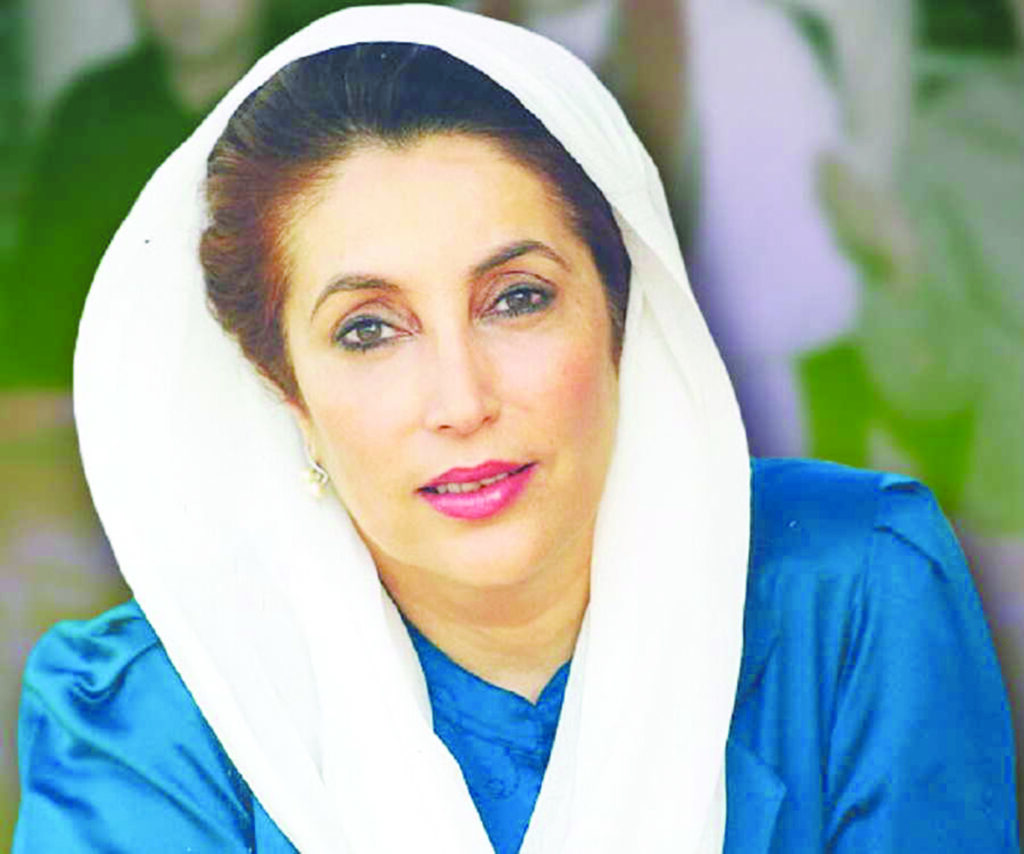
Benazir Bhutto

Pakistan Ex Prime Minister Benazir Bhutto Benazir Bhutto (1953–2007) was a monumental figure in global politics, serving twice as the Prime Minister of Pakistan (1988–1990 and 1993–1996). She made history as the first woman to lead a democratic government in a Muslim-majority nation.  Key Highlights of Her Life and Career Political Heritage: She was the eldest daughter of Zulfikar Ali Bhutto, Pakistan’s first popularly elected Prime Minister and founder of the Pakistan Peoples Party (PPP). Education: Bhutto was educated at prestigious Western institutions, attending Radcliffe College at Harvard University and later the University of Oxford, where she became the first Asian woman to serve as President of the Oxford Union. Rise to Power: After her father’s execution in 1979 under General Zia-ul-Haq’s military regime, she led the pro-democracy movement from prison and exile. She returned in 1986 to massive public acclaim and led the PPP to victory in the 1988 elections following Zia’s death. Premierships & Challenges: Both of her terms were cut short by presidential dismissals (in 1990 and 1996) amid allegations of corruption and mismanagement, though she maintained these charges were politically motivated. Exile & Return: She spent nearly a decade in self-imposed exile (1998–2007) in Dubai and London before returning to Pakistan in October 2007 under an amnesty deal with President Pervez Musharraf to contest the 2008 elections.  Assassination and LegacyOn 27 December 2007, Benazir Bhutto was assassinated in a gun and suicide bomb attack after addressing a political rally at Liaquat National Bagh in Rawalpindi. Immediate Impact: Her death sparked nationwide riots and a delay in the general elections. Succession: Leadership of the PPP passed to her husband, Asif Ali Zardari, and their son, Bilawal Bhutto Zardari. Honours: She is posthumously referred to as Shaheed-e-Jamhuriat (Martyr of Democracy) by her supporters. Publications: She authored several works, most notably her autobiography, Daughter of the East.     Benazir Bhutto – Complete Detailed History   Early Life and Family Background Full Name: Benazir Bhutto Born: 21 June 1953 Birthplace: Karachi, Pakistan Father: Zulfikar Ali Bhutto (Founder of PPP, Prime Minister of Pakistan) Mother: Begum Nusrat Bhutto Benazir was born into one of Pakistan’s most prominent political families. Her father, Zulfikar Ali Bhutto, founded the Pakistan Peoples Party (PPP) in 1967 and became President (1971–1973) and later Prime Minister (1973–1977). Education Benazir received elite international education: Harvard University (Radcliffe College) – Bachelor’s degree in Comparative Government (1973) University of Oxford – Studied Philosophy, Politics & Economics (PPE) Became the first Asian woman President of the Oxford Union (1976) Her Western education shaped her liberal and democratic political ideology. Political Crisis & Father’s Execution (1977–1979) In July 1977, General Zia-ul-Haq overthrew Prime Minister Zulfikar Ali Bhutto in a military coup. Benazir and her family were repeatedly placed under house arrest. After a controversial trial, Zulfikar Ali Bhutto was executed on 4 April 1979. This event deeply transformed Benazir’s life. At just 25 years old, she became the political heir of PPP. Struggle Against Military Dictatorship (1979–1986) During General Zia’s rule: Benazir was imprisoned multiple times. Placed in solitary confinement. Suffered health issues during detention. Eventually allowed to go into exile in the UK (1984). From exile: She reorganized PPP. Mobilized international support against Zia’s dictatorship. Became a global symbol of resistance against military rule. Return to Pakistan (1986) On 10 April 1986, Benazir returned to Pakistan. Millions welcomed her in Lahore. It was one of the largest political rallies in Pakistan’s history. She officially led the Movement for the Restoration of Democracy (MRD). Her return marked the beginning of democratic revival in Pakistan. First Term as Prime Minister (1988–1990) After General Zia died in a plane crash in August 1988, elections were held. 1988 Elections PPP won the largest number of seats.Benazir Bhutto became: First Female Prime Minister of Pakistan   First Female Prime Minister in the Muslim World (Age 35) Major Policies (First Term): Democratic Restoration Released political prisoners. Restored press freedoms. Reinstated student and labor unions. Women’s Development Established Ministry of Women Development. Created First Women Bank. Opened women police stations. Social Programs Focused on health and education expansion. Promoted vaccination campaigns. Challenges: Power struggle with President Ghulam Ishaq Khan. Conflict with military establishment. Allegations of corruption. Economic instability. Dismissal (1990) Her government was dismissed by the President on charges of corruption and mismanagement. Second Term as Prime Minister (1993–1996) After political instability and elections in 1993, PPP returned to power. Key Policies (Second Term): Infrastructure & Energy Initiated power generation projects. Encouraged private sector investment. Telecommunications Revolution Opened telecom sector to private companies. Laid foundation for mobile phone expansion. Foreign Policy Strengthened ties with US and Muslim countries. Advocated Kashmir issue internationally. Social Welfare Expanded Lady Health Worker Program. Promoted women participation in public sector. Controversies During Second Term Her husband, Asif Ali Zardari, was accused of corruption and nicknamed “Mr. Ten Percent”. Law and order problems in Karachi. Tensions with judiciary and military. In November 1996, her government was dismissed again by President Farooq Leghari on corruption charges. Exile (1999–2007) After General Pervez Musharraf’s coup in 1999: Benazir went into self-exile (Dubai & London). Faced corruption cases in Pakistan. Continued leading PPP from abroad. Worked on restoring democracy. She authored her autobiography:📖 “Daughter of the East” Return in 2007 & Assassination National Reconciliation Ordinance (NRO) In 2007, corruption cases were withdrawn under NRO, allowing her return. Return to Pakistan – 18 October 2007 Massive rally in Karachi. Suicide bombing attacked her convoy. She survived but over 130 people died. Assassination – 27 December 2007 During an election rally in Rawalpindi. Shot and followed by a suicide blast. Died at age 54. Her death shocked the world. PPP won the 2008 elections largely due to sympathy wave. Political Legacy Achievements: ✔ First woman PM in Muslim world✔ Symbol of democratic resistance✔ Promoter of women empowerment✔ Strengthened health programs (Lady Health Workers)✔ Opened telecom & private power sector Criticism: ✖ Corruption allegations✖ Weak governance✖ Political instability✖ Dynastic politics Family & Succession After her death: Asif Ali Zardari became President (2008–2013). Her son Bilawal Bhutto Zardari became Chairman of PPP. Her political legacy continues through PPP. Timeline Summary Year Event 1953 Born in Karachi 1977 Father overthrown

Politices

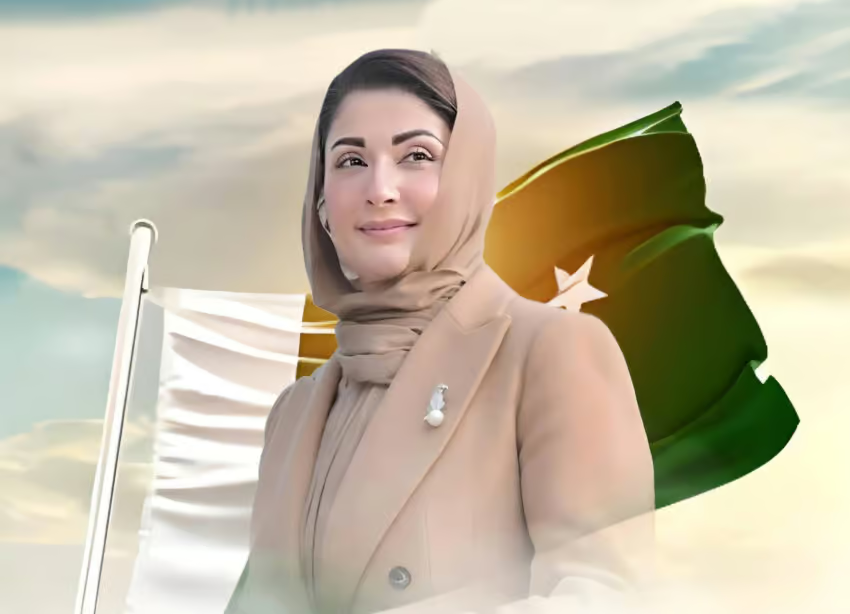
Maryam Nawaz Sharif

Maryam Nawaz Sharif Complete Detailed History 1️⃣ Early Life and Family Background Full Name: Maryam Nawaz Sharif (also known legally as Maryam Safdar) Date of Birth: 28 October 1973 Place of Birth: Lahore, Punjab, Pakistan Father: Nawaz Sharif (Three-time Prime Minister of Pakistan) Mother: Begum Kulsoom Nawaz (Politician and former First Lady of Pakistan) Maryam was born into the influential Sharif family, one of Pakistan’s most prominent political and business families. The Sharifs built their wealth through the Ittefaq Group of Industries (steel business) before entering politics in the 1980s. She completed her early education in Lahore and earned a Master’s degree in English Literature from the University of the Punjab. In 1992, she married Captain (Retired) Muhammad Safdar Awan, who later became a member of the National Assembly. They have three children. 2️⃣ Early Public Role (Before Active Politics) Before formally entering politics, Maryam remained mostly out of the political spotlight. She was involved in: Managing family business affairs Supervising philanthropic projects Working with the Sharif Medical Trust and educational institutions linked to the Sharif family For many years, she was considered a private family figure rather than an active politician. 3️⃣ Entry into Active Politics (2012–2013) Maryam officially entered active politics around 2012, ahead of Pakistan’s 2013 General Elections. Role in 2013 Elections Played a key role in organizing the Pakistan Muslim League-Nawaz (PML-N) election campaign. Managed media strategy and youth mobilization. Became increasingly visible in public rallies. After PML-N won the 2013 elections and Nawaz Sharif became Prime Minister, Maryam was appointed: Chairperson – Prime Minister’s Youth Programme (2013) This program focused on: Youth loans Skills development Laptop distribution Educational support initiatives However, her appointment was challenged in court. In 2014, she resigned after legal objections regarding her eligibility to hold the office. 4️⃣ Panama Papers & Major Legal Battles (2016–2022) Panama Papers (2016) In April 2016, the Panama Papers leak revealed offshore companies linked to the Sharif family. Maryam was accused of being connected to London properties owned through offshore firms. Supreme Court Disqualification (2017) In July 2017, the Supreme Court of Pakistan disqualified Nawaz Sharif as Prime Minister. The case led to further investigations against Maryam and her family. Avenfield Reference Case (2018) In July 2018: Maryam Nawaz was convicted by an accountability court. Sentenced to 7 years imprisonment. Fined millions of pounds. Disqualified from contesting elections. She returned to Pakistan from London to face imprisonment along with her father. Arrests and Political Crackdowns (2019–2020) Arrested again in 2019 in the Chaudhry Sugar Mills case. Spent months in jail. Released on bail. During this period, she became a strong critic of: The PTI government Former Prime Minister Imran Khan The establishment (in several speeches) Convictions Overturned (2022) In September 2022: Islamabad High Court overturned her Avenfield conviction. She was legally cleared and eligible to contest elections again. This marked a major turning point in her political career. 5️⃣ Rise as Party Leader (2018–2023) While Nawaz Sharif was in exile (2019–2023), Maryam became the central political face of PML-N. Key Developments: Appointed Vice President of PML-N Later promoted to Senior Vice President (January 2023) Became chief organizer of the party She led: Large public rallies Anti-PTI campaigns Pakistan Democratic Movement (PDM) alliance activities She developed a reputation as: A powerful public speaker Aggressive political campaigner Key mobilizer of women and youth voters 6️⃣ 2024 General Elections For the first time, Maryam contested elections directly. February 8, 2024 Elections: Contested National Assembly seat (NA) Contested Punjab Assembly seat (PP-159 Lahore) Won the Punjab Assembly seat After PML-N formed government in Punjab, she was nominated for Chief Minister. 7️⃣ Chief Minister of Punjab (2024 – Present) On 26 February 2024, Maryam Nawaz was elected as: 🏛 First Woman Chief Minister of Punjab Punjab is Pakistan’s largest and most politically important province. Her election marked a historic milestone in Pakistani politics. Key Focus Areas as CM: Public health reforms Education sector digitization Women empowerment programs Infrastructure development Youth employment initiatives Free medicines and hospital reforms Environmental campaigns (anti-smog initiatives) Her tenure has been closely watched due to: High political polarization Economic challenges Governance reforms expectations 8️⃣ Political Style and Influence Maryam Nawaz is known for: Strong rhetorical speeches Social media engagement Direct attacks on political opponents Mobilizing women in politics She is widely regarded as: Political heir to Nawaz Sharif One of the most powerful women in Pakistan A polarizing but influential leader 9️⃣ Criticism and Controversies She has faced criticism regarding: Allegations of corruption (Panama case) Dynastic politics accusations Aggressive political tone Use of state resources (alleged by opponents) Supporters argue: She was politically victimized Legal cases were politically motivated She represents modern female leadership in Pakistan 🔟 International Recognition Included in international discussions on influential Muslim women leaders Recognized for breaking gender barriers in Pakistani provincial politics 📌 Summary Timeline Year Event 1973 Born in Lahore 1992 Married Captain Safdar 2012 Entered active politics 2013 Led PML-N campaign; appointed Youth Programme Chairperson 2017 Panama case developments 2018 Convicted in Avenfield case 2019 Arrested in sugar mills case 2022 Conviction overturned 2023 Became Senior Vice President PML-N 2024 Elected first woman Chief Minister of Punjab Here is a detailed overview of Maryam Nawaz’s major policy decisions and initiatives as Chief Minister of Punjab (since February 26, 2024). Punjab is Pakistan’s largest province (over 120 million population), so her policies focus heavily on health, education, inflation relief, infrastructure, women empowerment, agriculture, and environment. 🏛 Major Policy Decisions of Maryam Nawaz as Chief Minister of Punjab 1️⃣ Health Sector Reforms 🏥 A. Free Medicines Initiative One of her flagship announcements was ensuring 100% free medicines in government hospitals. Key Actions: Orders to eliminate medicine shortages. Digital tracking system for hospital medicine supply. Surprise hospital visits to monitor implementation. Objective: Improve public trust in government hospitals. Reduce out-of-pocket health expenses for poor families. 🚑 B. Field Hospitals & Mobile Clinics Launched mobile health units and temporary field hospitals. Designed to serve rural and underserved areas. Focused on maternal health, child

Business Women

Women Chamber Of Commerce and Industry

Women Chamber Of Commerce and Industry In Pakistan, the Women Chamber of Commerce and Industry (WCCI) refers to a network of approximately 30 specialized trade bodies licensed by the Government to represent and empower women entrepreneurs. These chambers act as advocacy groups, helping women navigate business regulations, access credit, and reach international markets.    Key Regional Chambers & Contacts Lahore (WCCIL): Established in 2008 by Founder President Dr. Shehla Javed Akram. It currently supports over 4,000 members and operates the Women Resource Center & Incubator (WRCI). Contact: WCCIL Official Site | +92 42 36305012. Islamabad (IWCCI): Led by Founder President Samina Fazil, this chamber is known for organizing major expos and leading international trade delegations. Contact: IWCCI Official Site | +92 51 2252256. Sialkot (WCCIS): Focused on export-oriented sectors. It recently announced the “We Exhibit 2026” trade fair for February 13–14, 2026. Contact: WCCIS Official Site | +92 52 4264257. Karachi South / Korangi (WCCIK): Actively promotes women in tech and SME sectors through partnerships like the “Shevolution” initiative. Contact: WCCIK Facebook. Multan (WCCIM): Focuses on underprivileged women entrepreneurs in the South Punjab region. Contact: WCCIM Official Site | +92 61 4512044. Core Services for Members Advocacy: Representing women’s business interests to the State Bank of Pakistan and the Federation of Pakistan Chambers of Commerce & Industry (FPCCI). Capacity Building: Offering training in Digital Marketing, ISO Certification, and Export Quality Control. Networking: Organizing local exhibitions and connecting members with international trade delegations from countries like Germany, China, and the USA. Incubation: Providing physical and digital workspace for startups through dedicated Business Incubation Centres. Key Chambers & Their Members / Leaders 1. Islamabad Women Chamber of Commerce & Industry (IWCCI) Executive Committee (2024-2026) These are the current leaders — many are also business owners/CEOs: Samina Fazil — President (CEO – Misha’s Collection) Shamaila Naz — Senior Vice President (CEO – HiTech PMO & Zarwa Technologies) Rabia Farhan — Vice President (CEO – Crust n Clusters) Mumtaz Akhter — Executive Member (Taji Handicrafts) Farida Rashid — Executive Member (CEO – Midway CNG) Shazia Imran — Executive Member (CEO – Air Organics) Tasmia Rina, Rabia Ali, Samina Bashir, Nabila Sami, Saima Naz, Sana Amin — Executive Members (various business roles). Partial Member List (older voter list – 2021-22 sample) (Shows a portion of registered representatives) Samina Fazil Naima Ansari Mumtaz Akhtar Rizwana Asif Shamim Aftab Nasira Ali Munazza Arif Rubina Nasir Shirin Javed Rizwana Atif Reem Abbasi Afsheen Zeeshan Samina Akhter Sajida Anwar Neelam Khalid Parveen Khan Neelofer Khan Anila Fatima Farah Rani Shamim Shafiq(Note: this list is from 2021 and not current; used here for example only) 👉 Full current member list is usually available to members upon request from IWCCI headquarters (not publicly posted online). 2. Women Chamber of Commerce & Industry – Lahore Division  Voter/Membership List (2024-25 sample) (Examples from a published list – showing authorized women representatives): S.No Company Representative Business Type Matriarch — Sahar Malik | Trading Design Studio — Nilopher Sikander | Trading Fabrina — Aisha Khurram | Manufacturer Shahbano — Shahbano Yawar | Manufacturer Ridha’s Collection — Shahla Hamid | Manufacturer Don Valley Pharmaceutical (Pvt) Ltd. | (Representative not shown) 👉 This shows some actual women members of Lahore WCCI. 3. Women Chamber of Commerce & Industry – Sialkot Member Voter Lists (2023-24) Corporate Class: Ms. Shabnam Asif — Raja Industries Pvt. Ltd. Ms. Uzma Keiko — Khawaja M. Rafiuddin Pvt. Ltd. Mrs. Mariam Siddiqa — Capital Nexus Pvt. Ltd. Mrs. Shamim Saleem — Awan Sports Industries Mrs. Robina Naveed — Brothers Production Pvt. Ltd. Ms. Sehrish Rafeh — Comet Sports Pvt. Ltd. Mrs. Ayesha Butt — NEU SPOTLITE (exports) Associate Class: Ms. Gulzaib Waqas Awan — Speedy Cargo Services Ms. Shabina Gilani — GBI Traders / Shabi G Mrs. Mariam Siddiqa — KMK YOSHICO(…plus others on the associate list) 4. Women Chamber of Commerce & Industry – Quetta (Balochistan) Long-established chamber with pioneering 23 members at formation. Focuses on export support services like Certificates of Origin and visa recommendations. Leadership role represented at national level FPCCI. 5. Dera Ghazi Khan Women Chamber of Commerce & Industry 📌 Executive Committee (2024-26) Noor ul Saba – President Shaheen Sultan – Senior Vice President Aysha Fatima – Vice President Executive Members: Dr. Khola Amjad, Dr. Rana Yasmeen, Farhat Bukhari, Anila Qadir, Aysha Jan, Shahila Rubab, Omaima Ishaq. 6. Rawalpindi Women Chamber of Commerce & Industry Leadership (2025-26) Ms. Quratulain Khan – President Ms. Neesha Khurram – Senior Vice President Ms. Hina Zulfiqar – Vice President Other Regional Chambers (with Presidents noted) From broader FPCCI registration lists (2024 snapshot): Division President Lahore Division Ms. Sahar Malik Mardan Division Ms. Shabnam Noreen Multan Division Ms. Mehnaz Aamir Sheikh Peshawar Division Mrs. Azra Jamshed Charsadda Ms. Safia Naz Layyah Division Ms. Shakeela Bano Dera Ghazi Khan Ms. Farha Bashir Sialkot Dr. Mariam Noman Sahiwal Ms. Humaira Bukhari Karachi Malir Ms. Nazli Abid Nisar 📌 Notes on Membership Lists 📝 Public member lists are usually partial or “voter lists”, not complete directories — they show members who qualify to vote in elections or who are listed in official chamber documentation. 📝 Many chambers do not publish full complete rosters online due to privacy. To access full current membership lists, contact the specific chamber office directly (contact info is often on their official site). 📍 Where to Find Official Lists Online WCCI Pakistan Official Portal — lists divisions and their teams. Division-specific websites (e.g., Islamabad WCCI) often publish executive committees; full membership lists typically require login or request. Offline Local chamber offices maintain membership directories you can request. Members’ contact directories are often shared with verified chamber members only (for networking). Summary Chamber Available Public Member Info Islamabad WCCI Executive & older voter list Lahore WCCI Partial published voters Sialkot WCCI Full published voters (corporate & associate) Quetta WCCI Founding members & leadership Dera Ghazi Khan Executive committee Rawalpindi WCCI Leadership team Other divisions (Mardan, Multan, Layyah, Charsadda, etc.) Presidents listed via FPCCI

Politices

Fatima Jinnah

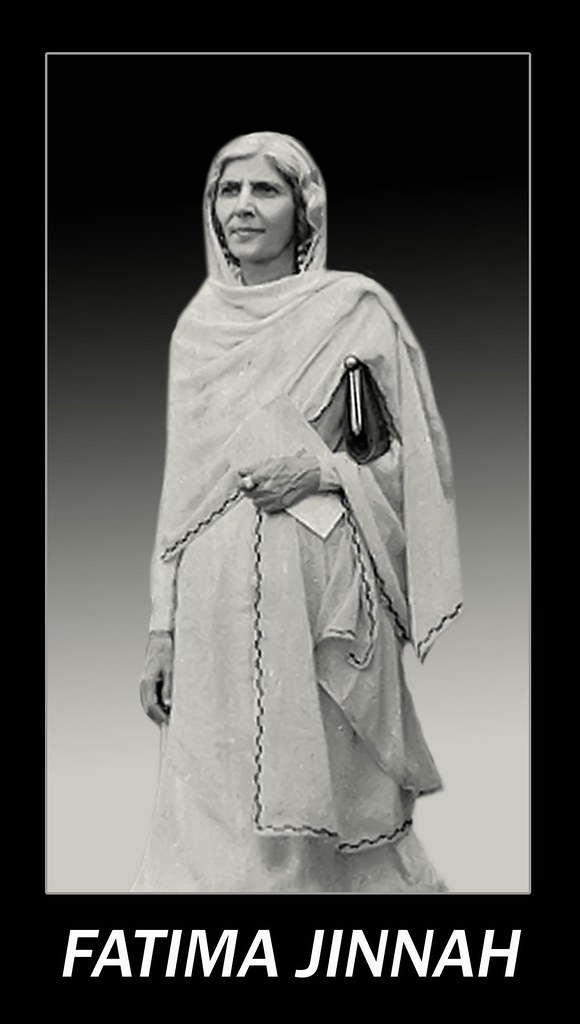
Fatima Jinnah Fatima Jinnah (1893–1967), known as Madar-e-Millat (“Mother of the Nation”), was a leading founder of Pakistan, a dental surgeon, and a key political figure who supported her brother, Muhammad Ali Jinnah. She played a critical role in the Pakistan Movement, advocating for women’s participation, and later challenged dictator Ayub Khan in the 1965 elections.  Key Aspects of Her Life and Legacy: Early Life & Education: Born on July 31, 1893, in Karachi, she was the youngest of seven siblings. Orphaned early, she was raised by her brother, Muhammad Ali Jinnah. She graduated from Dr. Ahmad Dental College, Calcutta, in 1923 and opened a clinic in Bombay. Political Role: She was a close adviser to her brother and a strong critic of the British Raj. She played an active role in the All-India Muslim League and encouraged Muslim women to participate in national affairs. Post-Independence: She co-founded the All Pakistan Women’s Association (APWA) and assisted with the settlement of migrants. 1965 Presidential Election: At age 71, she contested the 1965 presidential election against Ayub Khan, representing a combined opposition, but lost due to alleged electoral rigging. Death and Legacy: She passed away on July 9, 1967. She is revered for her commitment to democracy,, and she was the author of My Brother.       

Singer

Noor Jehan

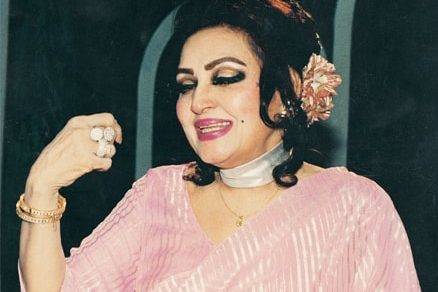
Noor Jehan Noor Jehan—often called Malika-e-Tarannum (Queen of Melody)—was one of the most influential figures in South Asian music and cinema. Early life Born: 21 September 1926, Kasur (then British India; now Pakistan) Birth name: Allah Wasai She showed musical talent very young and was trained in classical music by Ustad Bade Ghulam Ali Khan and other maestros. As a child artist, she acted and sang in Indian films during the 1930s and 1940s. Film career (India → Pakistan) Noor Jehan became a leading actress and singer in pre-Partition Indian cinema, starring in films like Khandaan (1942). After the Partition of 1947, she moved to Pakistan, where she played a key role in shaping the new country’s film industry (Lollywood). She acted in several successful Pakistani films before gradually focusing entirely on singing. Singing legacy Noor Jehan recorded over 10,000 songs in multiple languages: Urdu, Punjabi, Hindi, Sindhi, and Pashto. She sang across genres—film songs, ghazals, folk, and classical. Her patriotic songs during the 1965 Indo-Pak war made her a national symbol of courage and unity in Pakistan. Influence and honors She was one of the first female film directors in Pakistan. Received numerous awards, including: President’s Pride for Performance Sitara-e-Imtiaz (one of Pakistan’s highest civilian honors) Death and legacy Died: 23 December 2000, Karachi Noor Jehan is remembered as a trailblazer who set the gold standard for playback singing in South Asia. Many later legends—like Madam Noor Jehan’s protégés—credit her as a major influence.  Famous Songs (the heart of her legend) Noor Jehan didn’t just sing songs—she defined eras.  Film songs (timeless classics) Awaaz De Kahan Hai Chandni Raatein Tum Zindagi Ko Gham Ka Umangen Dil Ki Machli Her voice had this rare mix: power + softness + emotion. Even one line could hit straight in the chest.  Patriotic songs (national soul) During the 1965 war, she became the voice of the nation: Aye Watan Ke Sajeele Jawano Mere Dhol Sipahiya These weren’t just songs—they boosted morale when the country needed hope.  Ghazals & folk Chalo Achha Hua Tum Bhool Gaye Jis Din Se Piya Dil Le Gaye Her ghazals are still played when people want to feel something deeply.  Movies & Acting Career Before being the voice, she was also a major film star.  In Indian cinema (before 1947) Started as a child artist Gained fame with films like Khandaan (1942)  In Pakistani cinema Starred in hits like: Chan Wey Dupatta Over time, she stepped away from acting and focused entirely on singing—where she was truly unstoppable.  Fun fact: Chan Wey made her Pakistan’s first female film director.  Role in Pakistan’s Early Music & Culture This part is huge.When Pakistan was newly formed, it didn’t have a strong music industry yet. Noor Jehan helped build it from scratch. She set the standard for playback singing Trained and inspired future legends like: Mehdi Hassan Nayyara Noor Reshma Her voice basically became the sound of Pakistani cinema for decades.  Personal Life & Lesser-Known Facts Birth name: Allah Wasai She was known to be: Strong-willed Honest Emotionally intense (you can hear it in her voice) She married twice and had children, some of whom later worked in media.  Lesser-known detail:She could sing perfectly in one take, something musicians still talk about in awe.  Why She’s Still Unmatched Today Even with all today’s technology, autotune, and training… No one sounds like Noor Jehan.Why? Natural classical foundation Emotional honesty Fearless vocal power Total command over lyrics and mood Her voice ages beautifully—songs from the 1940s still feel alive today.  

Business Women

Sadia Rashid

Sadia Rashid Sadia Rashid is a prominent Pakistani educationist and philanthropist, best known as the daughter of the late Hakim Mohammed Said, the founder of Hamdard Pakistan.    Current Roles and Leadership She currently holds several high-ranking positions within the Hamdard Group and other cultural organisations: President of Hamdard Pakistan: She leads the Hamdard Group, continuing her father’s mission in healthcare and social welfare. Chancellor of Hamdard University: She oversees the academic and strategic direction of the university. President of the Pakistan-Japan Cultural Association (PJCA): She works to strengthen bilateral cultural ties. Chief Mutawallia: She serves as the head of the Hamdard Foundation Pakistan.    Recent Recognition In March 2025, Sadia Rashid was conferred the Hilal-e-Imtiaz, one of Pakistan’s highest civil awards, by President Asif Ali Zardari. The award recognizes her lifelong dedication to education, healthcare, and community well-being.            Other Notable Individuals with this Name Due to the commonality of the name, you may also be referring to: Dr. Sadia Rashid (Gynecologist): A consultant at Medicare Hospital, Karachi, with over 21 years of experience. Dr. Saadia Rashid (Ophthalmologist): A specialist at Montefiore Einstein focusing on macular hole repair and inflammatory ocular diseases. Academic Researchers: Including a PhD student at Quaid-i-Azam University specializing in fluid dynamics and a faculty member at the University of Gujrat. 

Scroll to Top