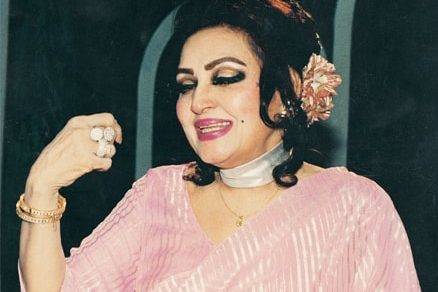
Noor Jehan Noor Jehan—often called Malika-e-Tarannum (Queen of Melody)—was one of the most influential figures in South Asian music and cinema. Early life Born: 21 September 1926, Kasur (then British India; now Pakistan) Birth name: Allah Wasai She showed musical talent very young and was trained in classical music by Ustad Bade Ghulam Ali Khan and other maestros. As a child artist, she acted and sang in Indian films during the 1930s and 1940s. Film career (India → Pakistan) Noor Jehan became a leading actress and singer in pre-Partition Indian cinema, starring in films like Khandaan (1942). After the Partition of 1947, she moved to Pakistan, where she played a key role in shaping the new country’s film industry (Lollywood). She acted in several successful Pakistani films before gradually focusing entirely on singing. Singing legacy Noor Jehan recorded over 10,000 songs in multiple languages: Urdu, Punjabi, Hindi, Sindhi, and Pashto. She sang across genres—film songs, ghazals, folk, and classical. Her patriotic songs during the 1965 Indo-Pak war made her a national symbol of courage and unity in Pakistan. Influence and honors She was one of the first female film directors in Pakistan. Received numerous awards, including: President’s Pride for Performance Sitara-e-Imtiaz (one of Pakistan’s highest civilian honors) Death and legacy Died: 23 December 2000, Karachi Noor Jehan is remembered as a trailblazer who set the gold standard for playback singing in South Asia. Many later legends—like Madam Noor Jehan’s protégés—credit her as a major influence. Famous Songs (the heart of her legend) Noor Jehan didn’t just sing songs—she defined eras. Film songs (timeless classics) Awaaz De Kahan Hai Chandni Raatein Tum Zindagi Ko Gham Ka Umangen Dil Ki Machli Her voice had this rare mix: power + softness + emotion. Even one line could hit straight in the chest. Patriotic songs (national soul) During the 1965 war, she became the voice of the nation: Aye Watan Ke Sajeele Jawano Mere Dhol Sipahiya These weren’t just songs—they boosted morale when the country needed hope. Ghazals & folk Chalo Achha Hua Tum Bhool Gaye Jis Din Se Piya Dil Le Gaye Her ghazals are still played when people want to feel something deeply. Movies & Acting Career Before being the voice, she was also a major film star. In Indian cinema (before 1947) Started as a child artist Gained fame with films like Khandaan (1942) In Pakistani cinema Starred in hits like: Chan Wey Dupatta Over time, she stepped away from acting and focused entirely on singing—where she was truly unstoppable. Fun fact: Chan Wey made her Pakistan’s first female film director. Role in Pakistan’s Early Music & Culture This part is huge.When Pakistan was newly formed, it didn’t have a strong music industry yet. Noor Jehan helped build it from scratch. She set the standard for playback singing Trained and inspired future legends like: Mehdi Hassan Nayyara Noor Reshma Her voice basically became the sound of Pakistani cinema for decades. Personal Life & Lesser-Known Facts Birth name: Allah Wasai She was known to be: Strong-willed Honest Emotionally intense (you can hear it in her voice) She married twice and had children, some of whom later worked in media. Lesser-known detail:She could sing perfectly in one take, something musicians still talk about in awe. Why She’s Still Unmatched Today Even with all today’s technology, autotune, and training… No one sounds like Noor Jehan.Why? Natural classical foundation Emotional honesty Fearless vocal power Total command over lyrics and mood Her voice ages beautifully—songs from the 1940s still feel alive today.